


Why Regular Grooming Is Vital for Your Dog
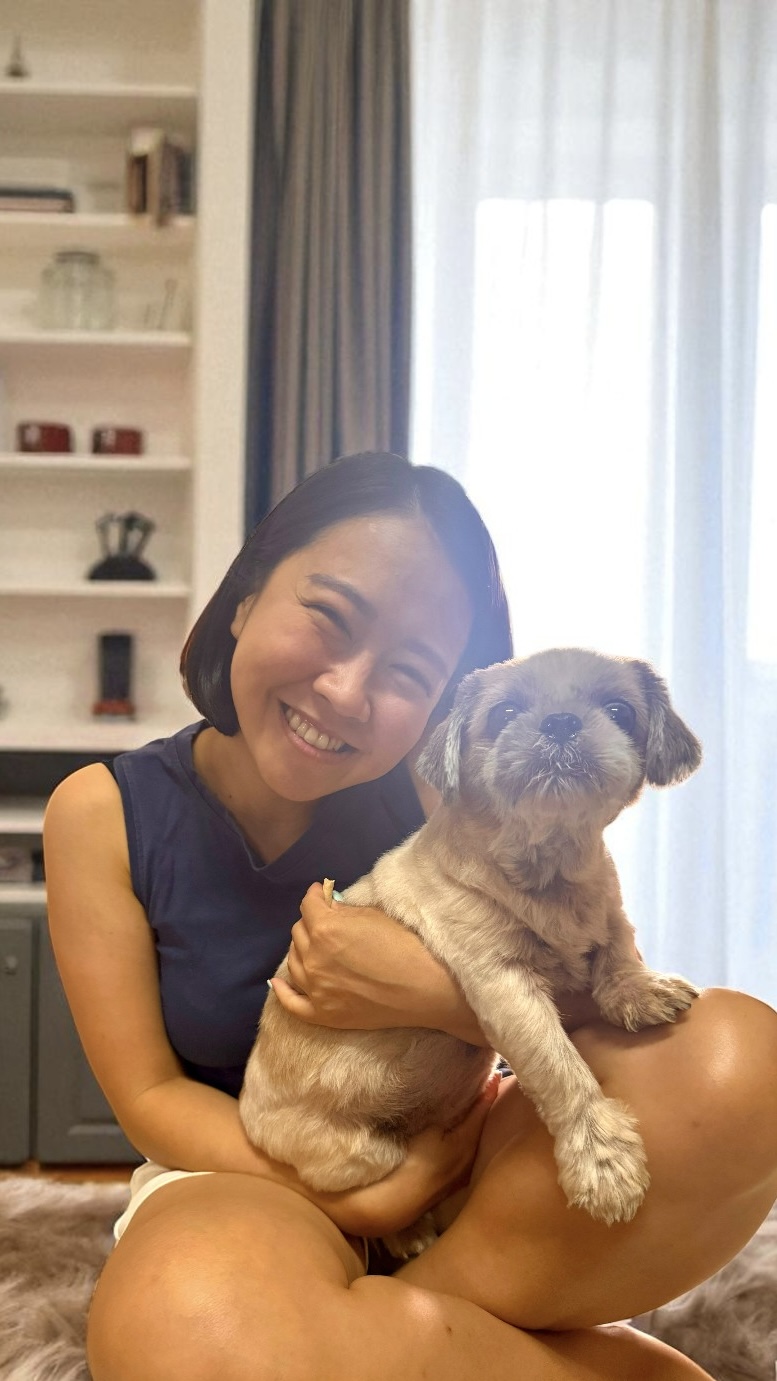
Grooming is often seen as a luxury for dogs, but it is much more than that. Regular grooming is essential for your dog's health and well-being. It goes beyond just keeping your pet looking good; it plays a crucial role in their overall physical and emotional health. In this post, we will explore the various reasons why regular grooming is vital for your dog, the benefits it provides, and practical tips to make grooming a positive experience for both you and your furry friend.

The Importance of Grooming
Grooming is not just about aesthetics; it serves several important functions:
Health Benefits
Skin Health: Regular grooming helps to remove dirt, debris, and dead hair from your dog's coat. This can prevent skin irritations and infections.
Parasite Control: Grooming allows you to check for fleas, ticks, and other parasites that can harm your dog. Early detection can lead to prompt treatment.
Ear Care: Cleaning your dog's ears during grooming can prevent infections and wax buildup, which can lead to discomfort and hearing issues.
Dental Hygiene: Some grooming sessions include teeth brushing, which is essential for preventing dental diseases that can affect your dog's overall health.
Emotional Well-being
Bonding Time: Grooming is an excellent opportunity for you to bond with your dog. The physical touch and attention can strengthen your relationship.
Stress Relief: Many dogs find grooming to be a soothing experience. It can help reduce anxiety and promote relaxation.
Behavioral Benefits: Regular grooming can help your dog become accustomed to being handled, making vet visits and other handling situations less stressful.
Types of Grooming
Understanding the different types of grooming can help you tailor your approach to your dog's specific needs.
Brushing
Brushing is essential for all dogs, regardless of their coat type. It helps to remove loose hair and prevent matting. Here are some tips for effective brushing:
Short-haired Dogs: Use a rubber grooming mitt or a soft-bristle brush to remove loose hair.
Long-haired Dogs: Use a slicker brush or a comb to detangle and remove mats. Be gentle to avoid hurting your dog.
Bathing
Bathing frequency depends on your dog's breed, coat type, and lifestyle. Generally, dogs should be bathed every 4 to 6 weeks. Here are some bathing tips:
Use a dog-specific shampoo to avoid skin irritation.
Rinse thoroughly to remove all soap residue.
Dry your dog with a towel or a pet dryer, ensuring they are completely dry to prevent chills.
Nail Trimming
Regular nail trimming is crucial for your dog's comfort and health. Long nails can cause pain and lead to mobility issues. Here’s how to trim nails safely:
Use a sharp nail clipper designed for dogs.
Trim a small amount at a time to avoid cutting into the quick, which can cause bleeding and pain.
If you're unsure, consult a professional groomer or veterinarian.
Ear Cleaning
Cleaning your dog's ears is often overlooked but is vital for preventing infections. Here’s how to do it:
Use a vet-recommended ear cleaner.
Apply the cleaner to a cotton ball and gently wipe the inside of the ear flap.
Avoid inserting anything deep into the ear canal.
Grooming Tools You Need
Having the right tools can make grooming easier and more effective. Here are some essential grooming tools:
Brushes: Choose a brush suitable for your dog's coat type.
Nail Clippers: Invest in a good quality pair of clippers or a nail grinder.
Shampoo: Use a gentle, dog-specific shampoo.
Ear Cleaner: A vet-approved ear cleaning solution is essential.
Towels: Keep several towels handy for drying after baths.
Making Grooming a Positive Experience
To ensure that grooming is a positive experience for your dog, consider the following tips:
Start Young
If you have a puppy, introduce grooming early. This helps them become accustomed to the process and reduces anxiety later in life.
Use Positive Reinforcement
Reward your dog with treats and praise during and after grooming sessions. This creates a positive association with grooming.
Keep Sessions Short
Especially for new dogs, keep grooming sessions short and gradually increase the duration as they become more comfortable.
Be Gentle
Always handle your dog gently. If they show signs of discomfort or fear, take a break and try again later.
Professional Grooming vs. DIY Grooming
While many dog owners choose to groom their pets at home, professional grooming can offer several advantages:
Benefits of Professional Grooming
Expertise: Professional groomers have the training and experience to handle various breeds and coat types.
Specialized Tools: Groomers often have access to specialized tools and products that may not be available to the average pet owner.
Time-Saving: Professional grooming can save you time, especially if your dog requires extensive grooming.
When to Consider Professional Grooming
If your dog has a complex coat type that requires specialized grooming techniques.
If you are unsure about how to groom your dog safely.
If your dog is particularly anxious or aggressive during grooming.
Grooming for Different Breeds
Different dog breeds have unique grooming needs. Here’s a brief overview of grooming requirements for some popular breeds:
Poodles
Poodles require regular grooming to prevent matting. They should be clipped every 4 to 6 weeks, and daily brushing is recommended.
Golden Retrievers
Golden Retrievers have a thick double coat that sheds year-round. They should be brushed at least once a week, with more frequent brushing during shedding seasons.
Bulldogs
Bulldogs have short coats but require regular cleaning of their facial folds to prevent infections. Bathing every few months is usually sufficient.
Shih Tzus
Shih Tzus have long, flowing coats that require daily brushing to prevent tangles. Regular trims are also necessary to keep th
eir coat manageable.
Common Grooming Mistakes to Avoid
Even experienced dog owners can make mistakes when grooming. Here are some common pitfalls to avoid:
Neglecting Regular Grooming: Skipping grooming can lead to matting, skin issues, and discomfort for your dog.
Using Human Products: Human shampoos and conditioners can irritate your dog's skin. Always use products designed for dogs.
Ignoring Signs of Discomfort: If your dog shows signs of pain or anxiety during grooming, stop and reassess your approach.
Conclusion
Regular grooming is vital for your dog's health, happiness, and overall well-being. It not only keeps their coat clean and healthy but also strengthens the bond between you and your furry friend. By understanding the grooming needs of your dog and making it a positive experience, you can ensure that your pet remains healthy and happy for years to come. So grab those grooming tools and start a routine that benefits both you and your beloved companion!


Comments