


Essential Dog Grooming Tips for Happy Pets
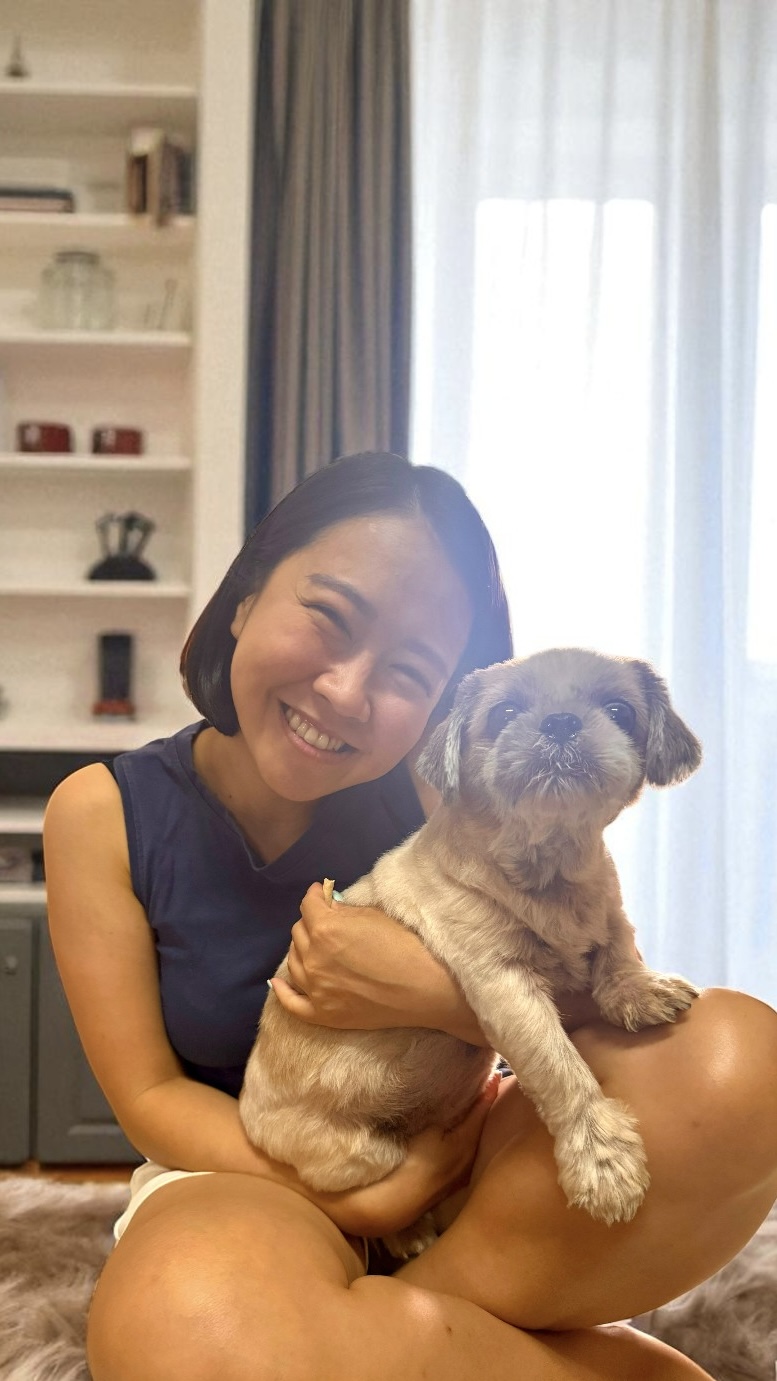
Grooming your dog is not just about keeping them looking good; it’s essential for their health and happiness. Regular grooming helps prevent skin issues, reduces shedding, and strengthens the bond between you and your furry friend. In this post, we’ll explore essential dog grooming tips that will keep your pet looking and feeling their best.

Understanding the Importance of Grooming
Grooming is a vital part of dog care that goes beyond aesthetics. Here are some reasons why grooming is essential:
Health Benefits: Regular grooming helps to identify skin problems, parasites, or lumps early on. It also promotes better circulation and can help prevent matting in long-haired breeds.
Hygiene: Keeping your dog clean reduces the risk of infections and unpleasant odors. Regular baths and brushing can help maintain a healthy coat and skin.
Bonding Time: Grooming can be a wonderful way to bond with your pet. It provides an opportunity for you to spend quality time together, enhancing your relationship.
Types of Grooming
Understanding the different types of grooming can help you create a routine that suits your dog's needs.
Bathing
Bathing your dog is essential, but how often should you do it? This depends on the breed, coat type, and lifestyle. Here are some guidelines:
Short-haired breeds: Generally require less frequent baths, about every 2-3 months.
Long-haired breeds: May need baths every 4-6 weeks to prevent matting and tangles.
Active dogs: If your dog loves to play outside, you may need to bathe them more often.
Brushing
Brushing is crucial for maintaining a healthy coat. Different breeds require different brushing techniques:
Short-haired breeds: Use a rubber brush or a bristle brush to remove loose hair and dirt.
Medium-haired breeds: A slicker brush or a comb can help remove tangles and prevent matting.
Long-haired breeds: Regular brushing with a wide-toothed comb or a pin brush is essential to prevent knots.
Nail Trimming
Keeping your dog’s nails trimmed is important for their comfort and health. Long nails can cause pain and lead to mobility issues. Here’s how to do it safely:
Frequency: Trim your dog’s nails every 3-4 weeks, or as needed.
Tools: Use a quality nail clipper designed for dogs. If you’re unsure, a veterinarian or groomer can help.
Technique: Be careful not to cut into the quick, which can cause bleeding. If your dog has dark nails, trim a little at a time until you see a lighter area.
Ear Cleaning
Regular ear cleaning can prevent infections and discomfort. Here’s how to do it:
Frequency: Check your dog’s ears weekly and clean them as needed.
Tools: Use a vet-recommended ear cleaner and cotton balls.
Technique: Gently wipe the outer ear and avoid inserting anything deep into the ear canal.
Grooming Tools You’ll Need
Having the right tools can make grooming easier and more effective. Here’s a list of essential grooming tools:
Brushes: Choose a brush suitable for your dog’s coat type.
Nail clippers: Invest in a good quality pair designed for dogs.
Dog shampoo: Use a gentle, dog-specific shampoo to avoid skin irritation.
Ear cleaner: A vet-approved solution for cleaning ears.
Towels: Have a few on hand for drying your dog after a bath.
Creating a Grooming Routine
Establishing a grooming routine can help keep your dog looking and feeling great. Here’s a simple plan to follow:
Daily: Brush your dog’s coat to remove loose hair and prevent matting.
Weekly: Check and clean ears, and trim nails as needed.
Monthly: Bathe your dog and check for any skin issues or parasites.
Seasonally: Schedule a professional grooming session for a thorough clean and trim.
Tips for a Stress-Free Grooming Experience
Grooming can be stressful for some dogs. Here are some tips to make the process smoother:
Start Early: Introduce grooming to your puppy at a young age to help them get used to the process.
Positive Reinforcement: Use treats and praise to reward your dog during and after grooming sessions.
Take Breaks: If your dog seems anxious, take breaks to help them relax.
Stay Calm: Your demeanor can affect your dog. Stay calm and patient throughout the grooming process.
Common Grooming Mistakes to Avoid
Even experienced pet owners can make mistakes when grooming their dogs. Here are some common pitfalls to avoid:
Overbathing: Bathing too frequently can strip natural oils from your dog’s skin, leading to dryness and irritation.
Neglecting the Ears: Ignoring ear cleaning can lead to infections. Make it a regular part of your grooming routine.
Skipping the Vet: If you notice any unusual lumps, bumps, or skin issues, consult your veterinarian instead of trying to treat it yourself.
Grooming for Different Breeds
Different dog breeds have unique grooming needs. Here’s a brief overview of grooming requirements for some popular breeds:
Golden Retriever: Requires regular brushing to manage shedding and prevent matting.
Poodle: Needs frequent grooming and trimming to maintain their coat.
Bulldog: Requires occasional baths and regular cleaning of facial folds to prevent infections.
Beagle: Needs regular brushing and occasional baths to keep their coat healthy.
When to Seek Professional Help
While many grooming tasks can be done at home, some situations may require professional assistance:
Severe Matting: If your dog’s coat is severely matted, a professional groomer may be needed to safely remove the mats.
Nail Trimming Anxiety: If your dog is fearful of nail trimming, a groomer can help.
Specialized Grooming: Some breeds require specific cuts that may be best left to professionals.
Conclusion
Regular grooming is essential for your dog’s health and happiness. By following these essential grooming tips, you can ensure your furry friend stays clean, comfortable, and happy. Remember to create a routine that works for you and your dog, and don’t hesitate to seek professional help when needed. Happy grooming!


Comments